
WARNING: this story might spark the desire to plan your next trip!
Every person dreams of the perfect vacation… even sixth graders.
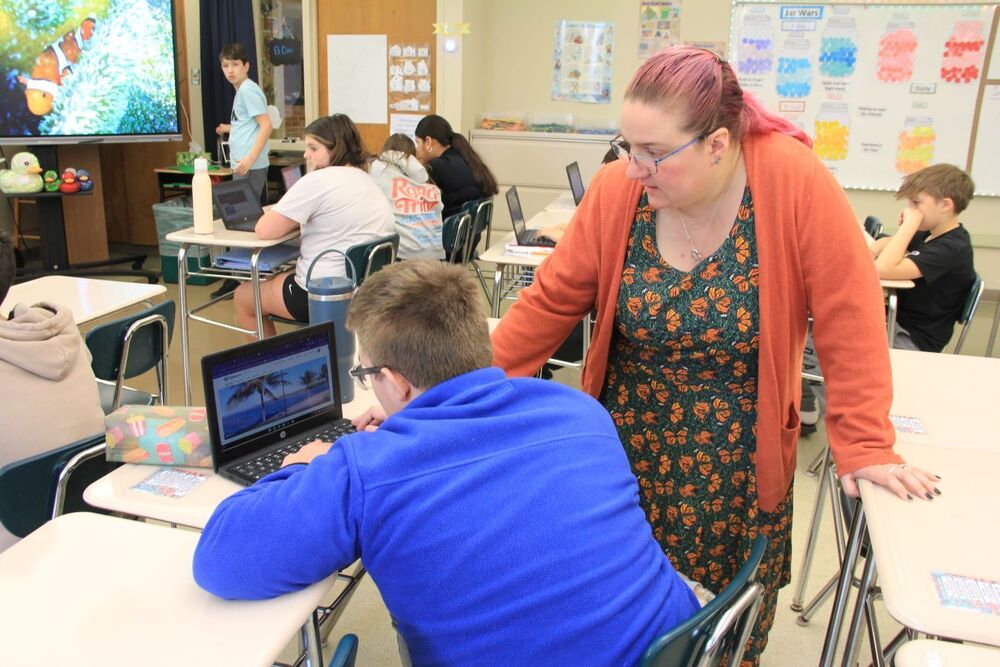
Recently, we had the pleasure of visiting Mrs. Butler’s Cultural Geography class at the Sixth Grade Center, where students had the opportunity to plan their dream trip. They were given a mock budget of $6,000 and an assignment: to create a travel website of a country they hoped to explore using the five themes of geography, location, place, human-environment interaction, movement, and region. These themes, defined by the National Council for Geographic Education, provide the framework for studying how people, places, and environments interact across the planet.
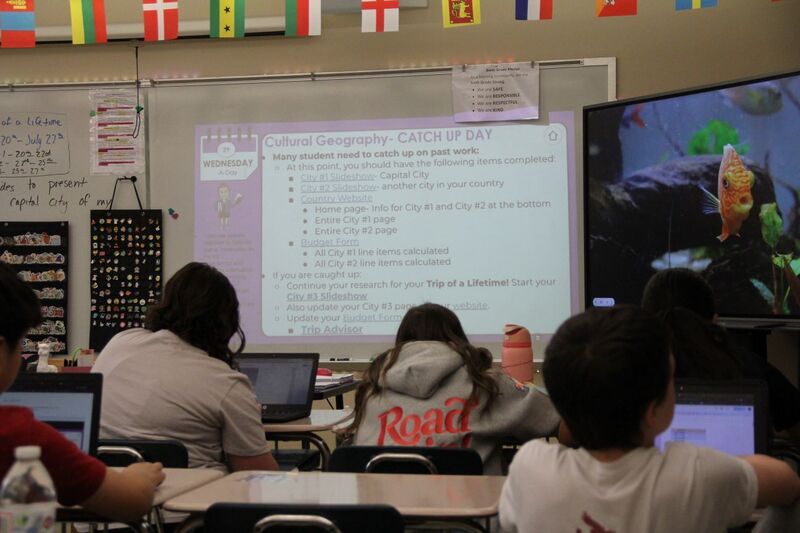
A brief description:
Location: Where something is on Earth, such as coordinates or a street address
Place: The physical and human characteristics that make a location special
Human-Environment Interaction: How people adapt, modify and depend on their environment
Movement: How people, goods and ideas move across the planet
Region: Organizes the world into defined areas, such as physical features or cultural or political traits
Students were tasked with researching their country based on these themes, along with exploring three cities and the attractions each city had to offer, all while staying within their mock budget.
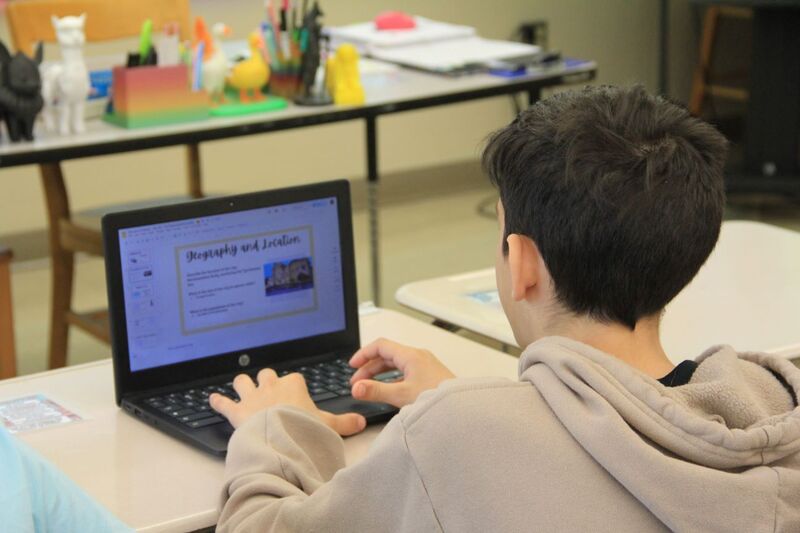
Students explored such countries as India, Italy, Brazil, Ireland, and France. And cities such as Dublin, Rome, Paris, and Santa Ana.
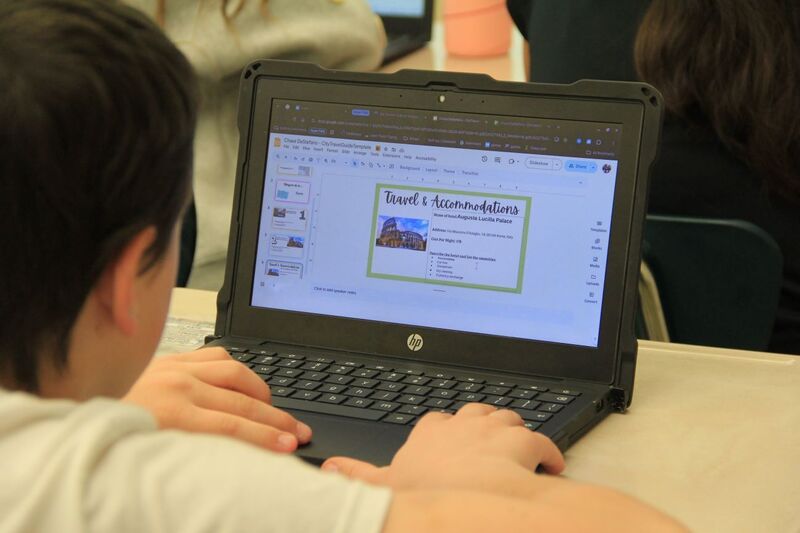
When exploring cities, students researched hotel accommodations, costs, and their amenities. One student, exploring the city of Rome, Italy, recommended staying at the hotel Augusta Lucilla Palace, where your stay would include a free breakfast, car service, doorman, dry cleaning, and currency exchange for $178 a night.
This project not only strengthened students' research and budgeting skills but also gave them a deeper understanding of the many cultures of our world. From comparing regions and customs to figuring out currency exchange rates, Mrs. Butler’s students proved that geography is so much more than maps and coordinates.
Who knows? Maybe some of these “dream vacations” may one day become a reality.